



Waking Watch Requirements UK — What Property Managers and Developers Need to Know
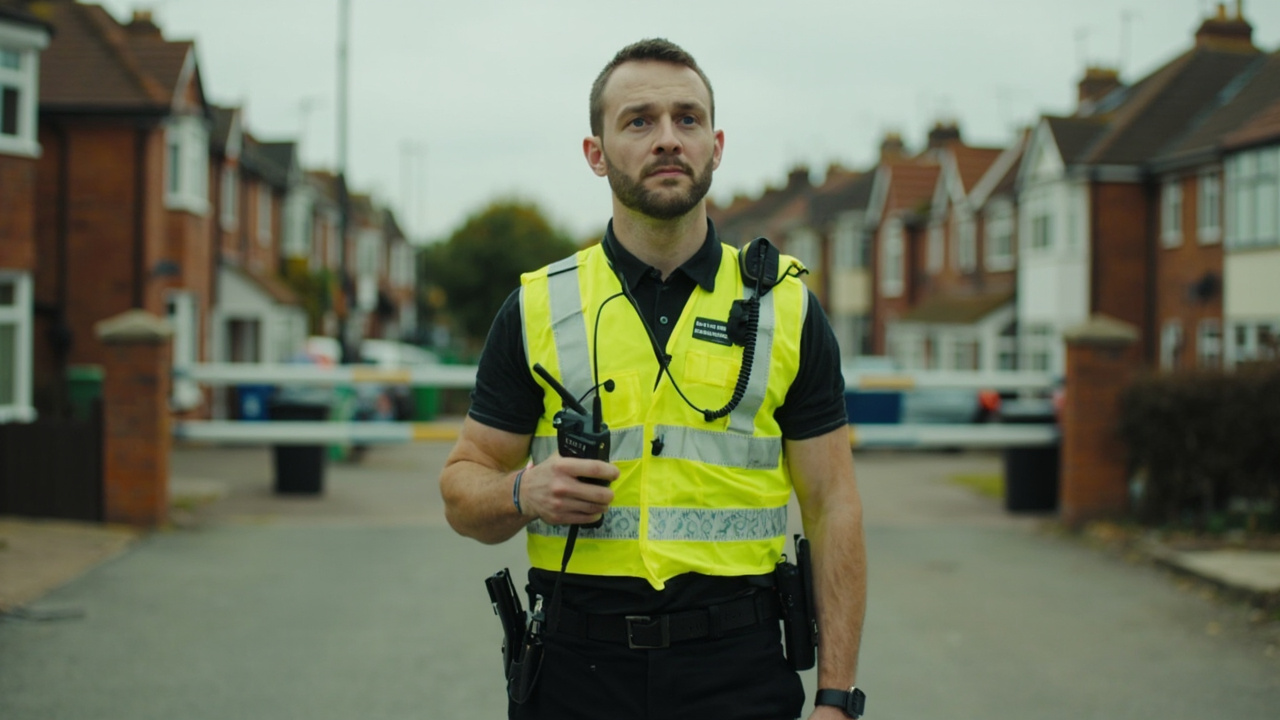
If you manage a residential building with fire safety concerns — or you’re a developer working on a site awaiting certification — you may have been told you need waking watch. Property managers, developers, and housing providers ask us this every week.

Before we go further: you may also hear the term waking watch used on-site and in some procurement documents. In the UK fire safety industry, the correct term is waking watch — a team of trained officers present on-site to detect fire and coordinate evacuation around the clock. We use “waking watch” throughout this guide, as that is the recognised regulatory term.
This page covers what waking watch is, when UK regulations require it, what responsible persons must do, and how to make sure your provider meets the standard.
—
When Do You need Waking Watch in the UK?
Waking watch is typically triggered by one of the following situations:

Your building has a stay-put evacuation strategy that has been suspended. If a fire risk assessment identifies that residents cannot safely remain in their flats during an emergency, the local fire and rescue service may require a waking watch team to be deployed immediately.
Your building is undergoing remediation works. Following the Grenfell Tower tragedy and the subsequent Fire Risk Assessment External Wall (FRAEW) reviews, hundreds of buildings across England were found to have unsafe external wall systems. Buildings awaiting remediation often require waking watch until works are completed or the building is certified safe.
Your building has a known structural fire risk. This includes buildings with ACM cladding or other dangerous materials identified in an intrusive survey.
Your building is awaiting a fire safety certificate or building control sign-off. Developers and housing providers sometimes deploy waking watch as a precautionary measure while awaiting formal certification.
Your waking watch risk assessment has identified the need for a permanent or temporary team. A qualified fire risk assessor will confirm whether waking watch is the appropriate interim measure.
The trigger is usually a decision made by your fire risk assessor or mandated by the local fire and rescue service following an inspection. If you receive a letter from your fire authority requesting waking watch, you have a legal obligation to act.
—
What Does a Compliant Waking Watch Team Do?
A waking watch team is not simply a guard on the door. Their role is specific:
Patrol the building at defined intervals. Officers walk all floors — typically every 15 to 30 minutes depending on the risk assessment — checking for signs of fire, smoke, or developing emergency.
Maintain continuous communication with the fire and rescue service. If an officer discovers smoke or fire, they call 999 immediately and remain on-site to direct firefighters.
Manage the evacuation if the stay-put strategy is suspended. If the fire risk assessor or fire service has suspended stay-put, waking watch officers coordinate a full building evacuation, going floor to floor and confirming all residents are aware.
Log all patrols and incidents. A daily log must be maintained recording patrol times, findings, and any incidents or near-misses. These logs are evidence of compliance and should be available to the fire service on request.
Report any deterioration in building safety. If officers notice damage to fire doors, blocked escape routes, or other emerging risks, they report it to the responsible person immediately.
This is not a passive role. At Chelsea Waterfront, where Ashridge provides waking watch cover, site manager Dave Falkner needed officers who could coordinate with the local fire authority directly and brief residents without waiting for instruction. That level of judgement and initiative — not just patrol logs — is what separates a compliant deployment from a genuinely effective one.
What to Look for in a Waking Watch Provider
Not all providers are the same. When evaluating a waking watch company, check the following:
ACS Approval. The Approved Contractor Scheme is administered by the Security Industry Authority. ACS-approved security companies have been independently audited for compliance, quality of service, and operational standards. Ask to see their current ACS certificate — any provider without one cannot demonstrate baseline competence.
SIA-licensed officers. All security officers deployed for waking watch must hold a valid SIA licence. It is a legal requirement. Check the SIA’s public register before contracting.
ISO 9001 certification. ISO 9001 is a quality management standard. Providers with ISO 9001 have documented processes for training, incident reporting, and management review. It is not required by law, but it indicates a provider that takes quality seriously.
Relevant experience in residential high-rises. Waking watch in a residential block is operationally different from a construction site or commercial property. Ask for examples of similar buildings and references from managing agents or developers.
24-hour management availability. If an incident occurs at 3am, you need to be able to reach a duty manager — not leave a message on an answerphone.
Direct communication with the local fire and rescue service. Experienced providers will establish contact protocols with the local fire authority before deployment begins.
How Much Does Waking Watch Cost in the UK?
There is no fixed price. Costs vary depending on:
- Building height and floor count (more floors = more officer hours)
- Whether stay-put is fully suspended or partially in place
- Staffing levels required by the fire risk assessment
- Location (London and the South East typically command higher rates)
- Duration of the contract (short-term emergency deployments are priced differently to rolling 3-month arrangements)
As a rough guide, expect to pay a minimum of £500–£800 per officer per 12-hour shift, with most buildings requiring at least two officers on at any given time. A realistic monthly cost for a typical residential block starts from around £15,000–£25,000 per month depending on the factors above.
Any provider who quotes significantly below market rates should be treated with caution — it typically means undertrained officers, inadequate supervision, or non-compliant licensing.
What to Do Next
If your fire risk assessor has specified waking watch, the next decision is who deploys it. The difference between a team that simply logs patrols and one that actively manages risk on your building’s behalf is significant — and it starts with who you call.
Ashridge Group is an ACS Approved, ISO Certified security provider. We are not a franchise. Our directors have backgrounds in the armed forces, and that discipline shows in how our officers are trained, briefed, and held accountable on site. We deploy waking watch teams in London, Milton Keynes, Manchester, and Scotland.
If you want to know what a waking watch arrangement looks like when it is run properly — and what questions you should be asking your current provider — call us. We will tell you directly.